The Internet Is Divided Over This Viral Topic — Here's What's Happening
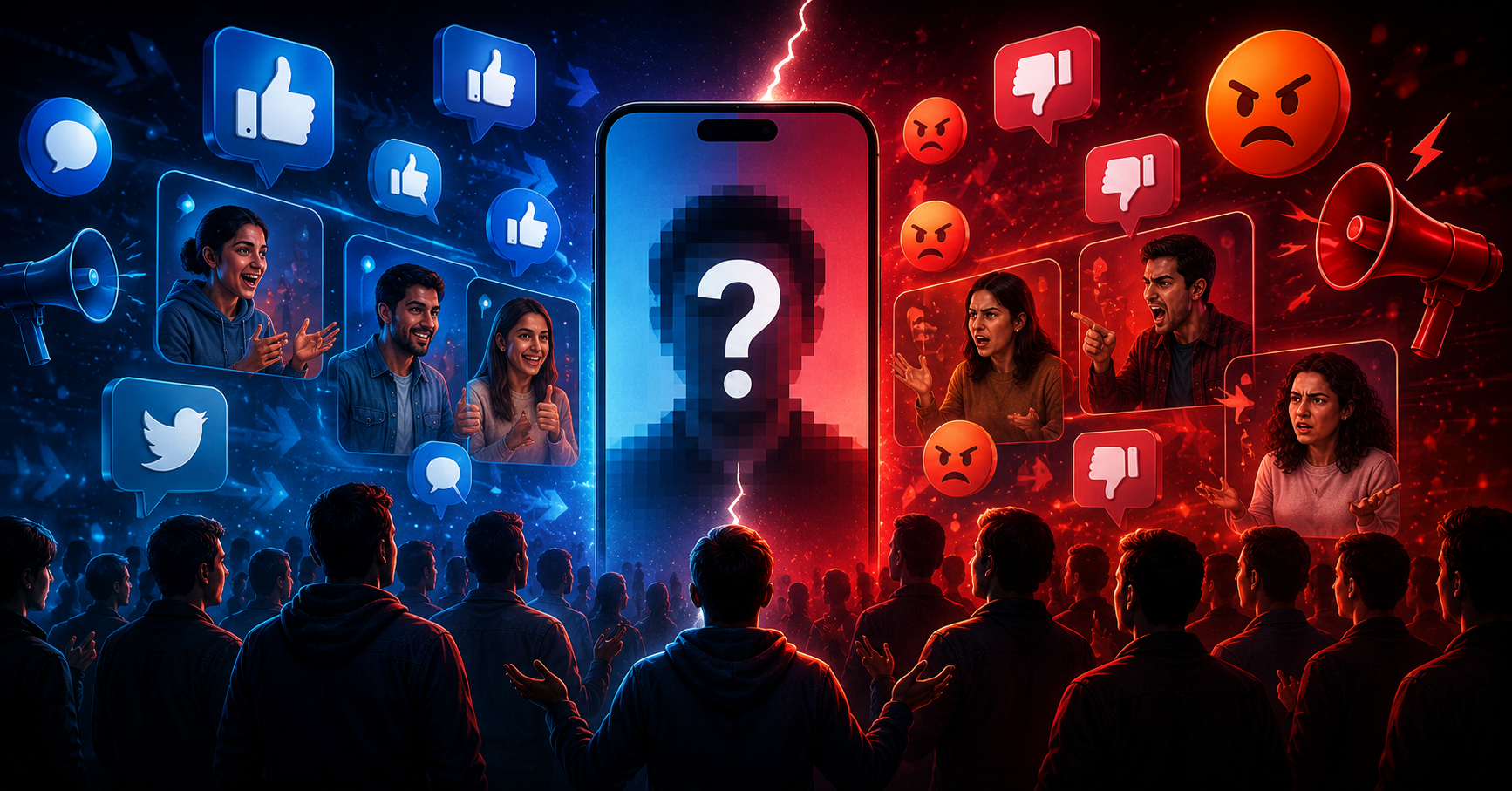
Every few days, the internet finds a new viral topic to obsess over. Sometimes it is a celebrity controversy, a political statement, a social experiment, an AI-generated video, a brand campaign, a sports moment, or a seemingly ordinary clip that unexpectedly explodes online.
Within hours, social media platforms become flooded with:
- reactions,
- memes,
- debates,
- outrage,
- think pieces,
- misinformation,
- and millions of opinions from users worldwide.
In 2026, viral internet controversies move faster than traditional news cycles. Platforms like Instagram, TikTok, X, and YouTube can amplify a topic globally within minutes.
What makes these moments fascinating is not just the original topic itself, but how the internet reacts to it. One side calls it:
- inspiring,
- entertaining,
- honest,
- or necessary.
Another side sees it as:
- offensive,
- misleading,
- unethical,
- manipulative,
- or harmful.
As a result, the internet becomes deeply divided.
This article explores:
- why viral internet debates happen,
- how social media algorithms amplify conflict,
- why people become emotionally invested,
- how misinformation spreads,
- and why viral controversies now dominate digital culture.
Why the Internet Gets Divided So Quickly
Social Media Rewards Emotional Reactions
Modern algorithms are designed to maximize:
- engagement,
- watch time,
- comments,
- and sharing behavior.
Content that triggers strong emotions usually spreads faster than neutral content. This includes:
- outrage,
- shock,
- humor,
- anger,
- excitement,
- and controversy.
Everyone Wants to Share an Opinion
Social media platforms encourage users to:
- react instantly,
- post opinions publicly,
- participate in debates,
- and join trending conversations.
This creates rapid opinion polarization.
Viral Topics Create “Digital Tribes”
People increasingly align themselves with:
- creators,
- ideologies,
- fandoms,
- political views,
- and online communities.
As a result, internet discussions often become:
- emotionally charged,
- defensive,
- and tribal.
How Viral Topics Explode Online
The First Viral Trigger
Most viral internet moments begin with:
- a short video,
- a controversial statement,
- a leaked clip,
- a celebrity moment,
- or an emotionally engaging post.
Sometimes the original content is not even intended to go viral.
Algorithm Amplification
Platforms quickly push high-engagement content into:
- recommendations,
- trending feeds,
- explore pages,
- and “For You” sections.
This massively accelerates visibility.
Reaction Content Multiplies Reach
Once a topic starts trending:
- influencers react,
- creators analyze it,
- meme pages remix it,
- news outlets cover it,
- and AI-generated summaries spread further.
The discussion becomes larger than the original event itself.
Why Viral Internet Debates Feel So Intense
People Attach Identity to Opinions
Online opinions are no longer just casual reactions. Many users connect viral debates to:
- morality,
- politics,
- identity,
- social values,
- and personal beliefs.
This increases emotional intensity.
The Internet Encourages Extreme Positions
Moderate opinions usually receive less engagement. Algorithms often reward:
- highly emotional takes,
- dramatic reactions,
- and polarizing viewpoints.
This makes debates appear more extreme than they actually are.
Fear of Being “On the Wrong Side”
Users often feel pressure to:
- publicly choose sides,
- support trending opinions,
- or criticize opposing viewpoints.
This creates social pressure online.
The Role of AI and Algorithms in Viral Controversies
AI Recommendation Systems
Modern platforms rely heavily on AI systems to decide:
- what users see,
- which posts trend,
- and what gets amplified.
These systems prioritize content likely to increase engagement.
AI-Generated Content Is Accelerating Virality
AI tools now help users create:
- reaction videos,
- deepfakes,
- meme edits,
- summaries,
- and viral commentary rapidly.
This increases the speed of online trends.
Misinformation Spreads Faster Than Ever
False or misleading information often spreads quickly because:
- emotional content travels faster,
- people react before verifying facts,
- and sensationalism drives clicks.
How Different Platforms React to Viral Trends
Instagram and TikTok Focus on Emotional Engagement
Short-form platforms prioritize:
- visually engaging content,
- fast reactions,
- emotional storytelling,
- and meme culture.
For a closer look at what's actually trending on these platforms right now — specific formats, sounds, hashtag patterns, and the creator strategies that are working in 2026 — see our companion guide to viral Instagram & TikTok trends everyone is searching for.
X (Formerly Twitter) Amplifies Real-Time Debates
X remains highly influential for:
- breaking reactions,
- political debates,
- controversy escalation,
- and public discourse.
YouTube Extends Viral Lifecycles
Long-form creators often:
- explain controversies,
- provide analysis,
- and keep discussions alive for weeks.
Why Brands and Influencers Jump Into Viral Topics
Attention Equals Visibility
Trending conversations generate:
- massive impressions,
- engagement spikes,
- and follower growth opportunities.
Brands Want Cultural Relevance
Companies increasingly participate in viral moments to:
- appear relatable,
- increase social visibility,
- and improve audience engagement.
Risk of Backlash
However, entering controversial conversations can also:
- damage brand reputation,
- trigger boycotts,
- and divide audiences.
The Psychology Behind Viral Internet Outrage
Humans Naturally React to Conflict
Conflict attracts attention because it:
- triggers curiosity,
- increases emotional stimulation,
- and activates social instincts.
Negative Content Often Travels Faster
Studies repeatedly show that:
- outrage,
- anger,
- and controversy
often outperform neutral content online.
People Enjoy Participating in Shared Moments
Viral debates create a sense of:
- participation,
- relevance,
- and collective online experience.
How Meme Culture Influences Viral Topics
Memes Simplify Complex Debates
Internet users often reduce complicated issues into:
- jokes,
- reaction images,
- short clips,
- and meme formats.
Humor Accelerates Sharing
Funny or sarcastic content spreads faster because it is:
- easier to consume,
- emotionally rewarding,
- and socially shareable.
Memes Can Also Distort Reality
Humor sometimes oversimplifies:
- serious issues,
- nuanced debates,
- and factual accuracy.
Why Some Viral Topics Disappear Quickly
The Internet Moves Extremely Fast
Social media cycles are becoming shorter every year. Today's biggest controversy may be forgotten within days.
Algorithms Constantly Search for New Engagement
Platforms continuously promote:
- fresh trends,
- new outrage cycles,
- and new viral moments.
Attention Is Limited
Users quickly move toward:
- newer entertainment,
- newer debates,
- and newer emotional triggers.
The Economic Side of Viral Trends
Virality Generates Money
Viral content can generate:
- ad revenue,
- sponsorships,
- affiliate income,
- creator growth,
- and product sales.
Influencers Monetize Attention
Many creators strategically:
- react to trending topics,
- publish commentary quickly,
- and optimize for algorithmic reach.
Controversy Often Increases Visibility
Unfortunately, controversial content often receives:
- higher engagement,
- more comments,
- and greater algorithmic amplification.
How Users Can Avoid Misinformation
Verify Before Sharing
Users should:
- check reliable sources,
- confirm context,
- and avoid reacting emotionally too quickly.
Watch Out for Edited Clips
Short clips can:
- remove context,
- manipulate narratives,
- and mislead viewers.
Avoid Algorithmic Manipulation
Users should recognize that platforms are designed to:
- maximize attention,
- not necessarily accuracy.
How Viral Topics Affect Mental Health
Constant Outrage Can Be Exhausting
Continuous exposure to:
- arguments,
- negativity,
- and controversy
can increase stress and digital fatigue.
Social Comparison and Anxiety
Viral culture also fuels:
- validation pressure,
- comparison,
- and online anxiety.
Digital Detox Is Becoming More Common
Many users now intentionally reduce:
- screen time,
- doomscrolling,
- and constant social media exposure.
Future of Viral Internet Culture
AI Will Make Virality Faster
AI-generated content may:
- increase trend velocity,
- automate meme creation,
- and accelerate reaction cycles.
Personalized Algorithms Will Become More Powerful
Users may increasingly experience:
- highly personalized outrage cycles,
- customized content feeds,
- and behavioral targeting.
Attention Will Become Even More Competitive
As more creators compete for visibility:
- emotional intensity,
- storytelling,
- and controversy
may continue dominating engagement strategies.
Quick Summary: Why the Internet Gets Divided
| Factor | Impact |
|---|---|
| Algorithms | Amplify emotional content |
| Social Media | Encourages instant opinions |
| AI Tools | Accelerate content spread |
| Meme Culture | Simplifies complex debates |
| Influencers | Extend viral conversations |
| Human Psychology | Reacts strongly to conflict |
Frequently Asked Questions (FAQs)
Why does the internet become divided over viral topics?
Social media algorithms are optimized for engagement, which means content triggering strong emotions — outrage, shock, humor, anger — spreads faster than neutral information. When users see polarized opinions in their feeds, they feel social pressure to publicly take sides, and moderate viewpoints get downranked because they generate fewer comments and shares. The result is rapid opinion polarization on almost any sufficiently viral topic.
How do viral topics spread so fast?
A single trigger — a clip, statement, or controversy — gets picked up by recommendation algorithms (Instagram Reels, TikTok For You, YouTube Shorts, X feeds), which push it to high-engagement users. Influencers then post reaction videos, meme pages remix it, news outlets cover it, and AI-generated summaries spread it further. Each layer multiplies reach, and the discussion often becomes larger than the original event itself.
Why do controversial posts get more engagement?
Controversial content triggers stronger emotional reactions — outrage, defensiveness, disagreement, validation-seeking — which generate more comments, shares, and watch time than neutral content. Algorithms then interpret this engagement signal as quality and amplify the content further. This creates a feedback loop where the most polarizing posts consistently outperform the most accurate or thoughtful ones.
How does AI affect viral internet culture?
AI now affects virality at every stage. AI recommendation systems decide what trends; AI-generated content (deepfakes, meme edits, reaction summaries, voice clones) accelerates how quickly creators can pile on trending topics; and AI personalization means different users see different versions of the same controversy. Combined, these systems are increasing trend velocity faster than human moderation, fact-checking, or attention spans can keep up with.
Can viral internet debates spread misinformation?
Yes — and quite efficiently. Emotional and fast-moving discussions often spread incomplete or misleading information because people react before verifying facts, sensational claims out-engage measured ones, and edited clips can strip away context entirely. Once misinformation has gone viral, corrections rarely receive the same algorithmic boost as the original, meaning the wrong version often outlives the right one in public memory.
Why do people become emotionally invested in online debates?
Many users connect viral discussions to personal beliefs, identity, politics, religion, or social values, which transforms a casual reaction into a defense of self. Online debates also create a sense of participation in something larger — a shared moment with millions of others — and algorithms reward users who post strong takes with engagement and visibility, reinforcing the habit of public emotional reaction.
Conclusion
The internet has transformed viral moments into massive real-time global conversations. What begins as a simple clip, statement, meme, or controversy can quickly evolve into a worldwide debate involving millions of opinions, social media algorithms, influencers, AI-generated content, and nonstop engagement cycles.
In 2026, viral internet culture is increasingly shaped by emotional amplification, recommendation algorithms, short-form content, and AI-driven engagement systems.
At the same time, online debates are becoming faster, more polarized, and more emotionally intense than ever before. While viral trends can entertain, inform, and unite communities, they can also spread misinformation, encourage outrage, and distort public understanding.
As internet culture continues evolving, understanding how virality works has become increasingly important for anyone navigating the modern digital world.
And if you'd rather earn from your screen time than feed it back into the outrage cycle, you can take quick surveys and play games on PocketsFull for real rewards — gift cards, bank transfer, or PayPal cash, no algorithm needed.