Latest Government Schemes & Financial Benefits for Students and Families
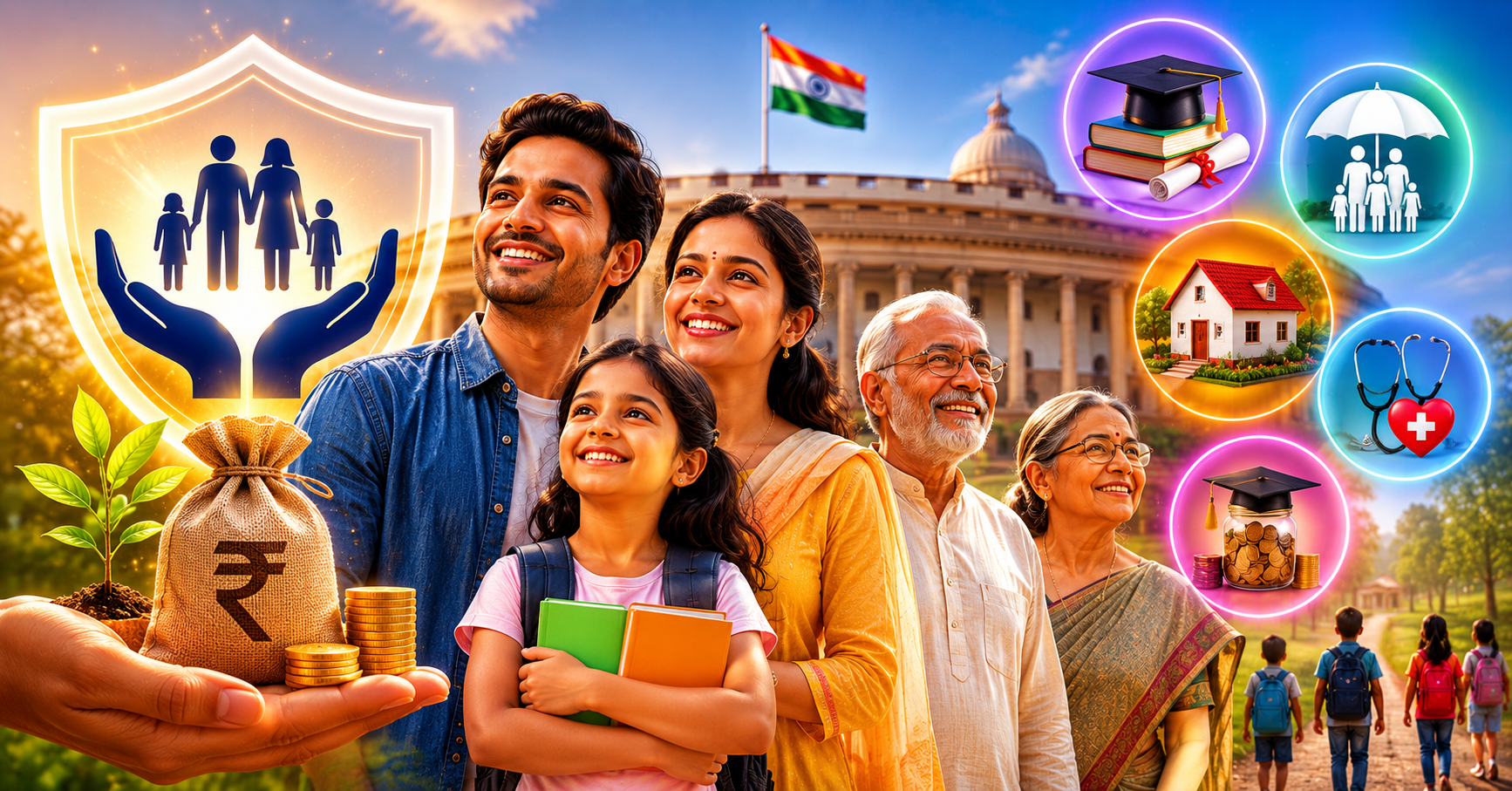
Rising education costs, inflation, healthcare expenses, unemployment concerns, and increasing living costs have made government support schemes more important than ever for millions of Indian students and families. Over the years, both central and state governments have launched a wide range of welfare programs, scholarships, financial assistance schemes, subsidies, insurance programs, and direct benefit initiatives aimed at improving financial stability and social security.
Today, students and families actively search for:
- government schemes for students,
- financial assistance programs,
- scholarship opportunities,
- education loans,
- free coaching schemes,
- healthcare benefits,
- subsidies,
- women empowerment schemes,
- housing support,
- and family welfare programs.
Many eligible citizens either remain unaware of these schemes or do not fully understand:
- who qualifies,
- how to apply,
- what benefits are available,
- and how these programs can improve their financial situation.
This comprehensive guide explains the latest government schemes and financial benefits available for students and families in India in 2026, including:
- education support programs,
- scholarships,
- digital learning initiatives,
- women and child welfare schemes,
- healthcare assistance,
- housing benefits,
- pension programs,
- skill development schemes,
- and financial inclusion initiatives.
Why Government Welfare Schemes Are Becoming Increasingly Important
Rising Education Costs
Higher education costs in India have increased significantly over the last decade. Students and parents now face growing expenses related to:
- tuition fees,
- coaching institutes,
- accommodation,
- digital learning,
- competitive exams,
- and skill development.
Government support schemes help reduce this financial burden.
Inflation and Household Expenses
Families are increasingly affected by:
- food inflation,
- healthcare costs,
- fuel prices,
- utility bills,
- and education expenses.
Government subsidy and welfare programs provide important relief for economically vulnerable households.
Digital Access and Financial Inclusion
India's rapid digital transformation has improved access to:
- online applications,
- direct benefit transfers,
- scholarship tracking,
- and financial support distribution.
This has increased awareness and accessibility of welfare schemes.
Latest Government Schemes for Students in India
Scholarship Programs for Students
Scholarships remain among the most searched government benefits for students. These programs support:
- school students,
- college students,
- economically weaker sections,
- merit-based applicants,
- and reserved category students.
National Scholarship Programs
Various scholarship initiatives aim to support:
- higher education,
- technical education,
- minority students,
- girl students,
- and economically disadvantaged learners.
Common benefits include:
- tuition fee assistance,
- maintenance allowances,
- direct cash transfers,
- and educational grants.
Merit-Based Scholarship Schemes
Merit scholarships reward students based on:
- academic performance,
- entrance examination scores,
- competitive achievements,
- and exceptional talent.
These schemes encourage educational excellence and reduce financial stress.
Scholarships for Girl Students
Many schemes specifically focus on:
- increasing female literacy,
- reducing school dropouts,
- supporting higher education for women,
- and promoting gender equality in education.
Benefits often include:
- tuition support,
- free education,
- financial incentives,
- and hostel assistance.
Education Loan and Financial Assistance Schemes
Government-Backed Education Loans
Education loan schemes help students pursue:
- higher education,
- professional courses,
- international studies,
- and technical programs.
Some programs provide:
- subsidized interest rates,
- repayment support,
- and financial guarantees.
Interest Subsidy Schemes
Interest subsidy programs help economically weaker students by reducing loan repayment pressure during study periods. These schemes are particularly useful for:
- low-income households,
- professional degree aspirants,
- and technical education students.
Skill Development Financing Programs
Skill development initiatives increasingly support:
- vocational education,
- digital skills,
- AI training,
- coding programs,
- entrepreneurship,
- and employability enhancement.
Latest Government Schemes for Families
Family Welfare Programs
Government family welfare schemes focus on:
- healthcare,
- nutrition,
- housing,
- women empowerment,
- social security,
- and financial support.
Food Subsidy Programs
Millions of households benefit from subsidized food distribution systems. These programs help families access:
- rice,
- wheat,
- essential commodities,
- and nutritional support at lower costs.
Direct Benefit Transfer (DBT) Programs
DBT systems allow governments to transfer benefits directly into beneficiaries' bank accounts. This reduces:
- middlemen involvement,
- corruption,
- and delays.
Healthcare Schemes for Families
Health Insurance Support Programs
Healthcare expenses are one of the biggest financial burdens for many families. Government-supported health schemes help cover:
- hospitalization,
- medical treatments,
- surgeries,
- and emergency care.
Maternal and Child Welfare Schemes
Several programs support:
- pregnant women,
- newborn care,
- child nutrition,
- vaccination,
- and maternal healthcare.
These initiatives aim to improve long-term public health outcomes.
Free or Subsidized Medical Services
Government hospitals and public healthcare programs continue offering:
- free treatments,
- low-cost medicines,
- diagnostic support,
- and preventive healthcare services.
Housing and Financial Support Schemes
Affordable Housing Programs
Housing support initiatives help low-income families:
- purchase homes,
- receive subsidies,
- access affordable financing,
- and improve living conditions.
Rural Development Schemes
Rural welfare programs often focus on:
- employment generation,
- infrastructure development,
- sanitation,
- electricity access,
- and digital inclusion.
Urban Welfare Benefits
Urban families may receive support through:
- housing subsidies,
- transportation benefits,
- education assistance,
- and digital welfare programs.
Women Empowerment and Financial Assistance Schemes
Women-Centric Financial Programs
Many government initiatives support women through:
- entrepreneurship financing,
- self-help groups,
- skill development,
- and small business support.
Support for Single Mothers and Widows
Special schemes provide:
- pension support,
- financial aid,
- skill training,
- and welfare assistance.
Girl Child Support Programs
Girl child welfare schemes often include:
- savings incentives,
- educational support,
- and long-term financial security initiatives.
Skill Development and Employment Schemes
Youth Employment Programs
Employment-oriented schemes help young people:
- gain vocational skills,
- access training,
- improve employability,
- and prepare for modern industries.
Digital Skills and Technology Training
As AI and digital industries expand, governments increasingly support:
- coding programs,
- digital literacy,
- AI awareness,
- and technology-focused training.
Startup and Entrepreneurship Support
Some schemes encourage:
- startups,
- innovation,
- micro-businesses,
- and self-employment opportunities.
How Students and Families Can Apply for Government Schemes
Online Application Portals
Most government schemes now offer:
- online registration,
- document uploads,
- digital verification,
- and application tracking systems.
Common Documents Required
Applicants often need:
- Aadhaar card,
- income certificate,
- educational documents,
- bank account details,
- caste certificate (if applicable),
- and residence proof.
Importance of Verification
Applicants should always verify:
- official eligibility criteria,
- application deadlines,
- and government notification updates.
Common Challenges People Face While Applying
Lack of Awareness
Many eligible citizens remain unaware of available benefits.
Documentation Problems
Incomplete or incorrect documents often delay applications.
Digital Literacy Issues
Some families face challenges with:
- online applications,
- OTP verification,
- and digital processes.
How Government Schemes Are Evolving in 2026
Increasing Digitalization
Governments are improving:
- online accessibility,
- AI-driven verification,
- digital transparency,
- and direct transfer systems.
These shifts complement broader government economic communications — for a recent example of how policy appeals are framed around financial discipline and import management, see our explainer on PM Modi's latest announcement on gold and fuel.
Focus on Financial Inclusion
Financial inclusion remains a major priority through:
- banking access,
- digital payments,
- rural outreach,
- and subsidy distribution.
AI and Data-Driven Welfare Systems
Governments are increasingly using:
- AI analytics,
- data verification,
- automation,
- and digital governance tools.
Benefits of Staying Updated on Government Schemes
Financial Relief
Welfare programs can significantly reduce:
- education costs,
- healthcare expenses,
- and household financial pressure.
Improved Educational Opportunities
Scholarships and assistance programs improve access to quality education.
Better Long-Term Financial Stability
Many schemes aim to support:
- savings,
- employment,
- entrepreneurship,
- and social security.
Quick Summary: Major Government Benefits in 2026
| Category | Key Benefits |
|---|---|
| Scholarships | Tuition support & grants |
| Healthcare | Insurance & medical assistance |
| Housing | Subsidies & affordable housing |
| Women Welfare | Financial empowerment |
| Skill Development | Employment & digital training |
| Family Welfare | Subsidies & DBT benefits |
Frequently Asked Questions (FAQs)
What are the latest government schemes for students in India?
Students in India can access a wide range of welfare programs including scholarships for merit and economically weaker sections, government-backed education loans with interest subsidies, skill development schemes covering coding, AI, and vocational training, and direct financial assistance for higher education and competitive exam preparation. Benefits are typically delivered through online portals with Direct Benefit Transfer into the applicant’s bank account.
How can families apply for welfare schemes?
Most central and state welfare schemes now support online applications through official government portals. Families can register, upload documents digitally, verify identity via Aadhaar-linked OTP, track application status in real time, and receive benefits directly into linked bank accounts under the Direct Benefit Transfer (DBT) framework. Offline application options remain available at common service centres for households with limited digital access.
Are scholarships available for girl students?
Yes. Multiple central and state government programs are specifically designed to support girl students through tuition assistance, free education at certain stages, savings incentive plans, hostel and travel allowances, and merit-based financial rewards. The broader goals are reducing dropout rates, improving female literacy, and promoting gender equality in higher education and skill-based careers.
What documents are commonly required for government schemes?
Commonly required documents include the Aadhaar card for identity verification, a recent income certificate, educational mark sheets and admission proofs, bank account details with IFSC, and residence proof. Depending on the specific scheme, applicants may also need caste or category certificates (SC, ST, OBC, EWS), disability certificates, or domicile proof. Keeping a digital folder of these documents speeds up applications.
Do government schemes provide healthcare support?
Yes. Several central and state programs provide healthcare support including medical insurance coverage for hospitalization and surgeries, subsidized treatment at public hospitals, free or low-cost medicines, diagnostic services, maternal and child healthcare, and emergency-care assistance. The goal is to reduce out-of-pocket medical expenses for economically vulnerable households and improve long-term public health outcomes.
Can low-income families get housing benefits?
Yes. Eligible low-income families can access affordable housing programs that provide construction subsidies, interest-subsidy schemes on home loans, and assistance for purchasing or upgrading homes in both rural and urban areas. Some programs additionally support sanitation infrastructure, electricity access, and basic amenities to improve overall living conditions for beneficiary households.
Conclusion
Government schemes and financial benefit programs continue playing a crucial role in supporting students and families across India. As education costs, healthcare expenses, and living costs rise, welfare initiatives are becoming increasingly important for improving financial security and social inclusion.
From scholarships and education loans to healthcare assistance, housing support, skill development, and women empowerment programs, these schemes aim to create broader access to opportunity and economic stability.
However, awareness remains one of the biggest challenges. Millions of eligible individuals still fail to access benefits simply because they are unaware of available programs or application procedures.
As digital governance, AI-driven systems, and financial inclusion initiatives continue expanding in 2026, government welfare delivery is expected to become more accessible, transparent, and efficient for citizens across the country.
And while you research and apply for the schemes you qualify for, you can earn small rewards through quick surveys and games on PocketsFull and redeem them as gift cards or cash — a simple way to add a little to the household budget in the meantime.