PM Modi's Gold & Fuel Appeal Explained
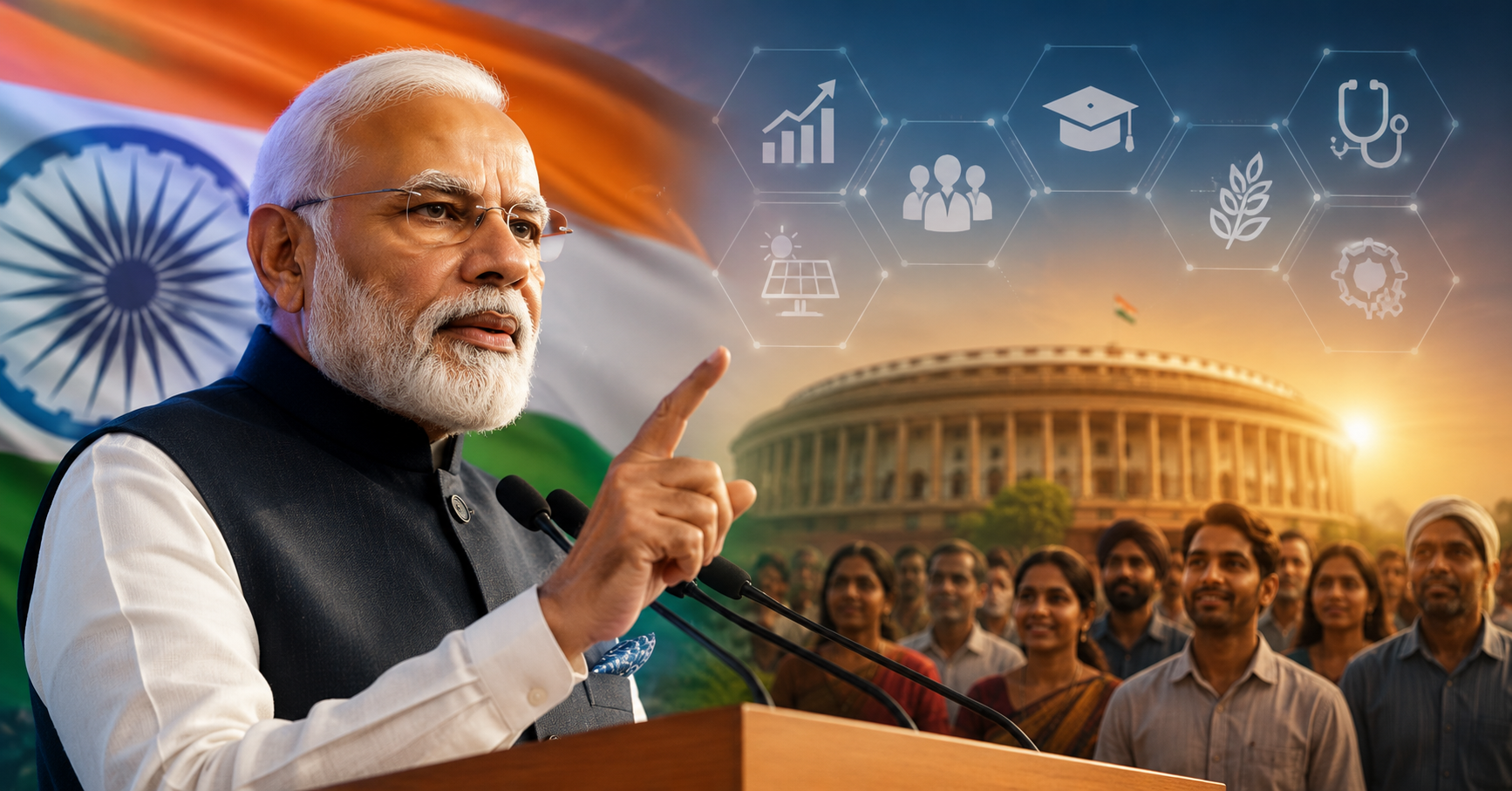
Prime Minister Narendra Modi recently made a significant national appeal urging Indian citizens to avoid buying gold for one year, reduce fuel consumption, conserve foreign exchange, and support economic stability amid rising geopolitical tensions in West Asia.
The announcement quickly sparked nationwide discussion across financial markets, political circles, social media, consumer sectors, and the gold industry.
For a country where gold is deeply linked to culture, weddings, savings, and investment sentiment, the appeal immediately raised important questions:
- Why did PM Modi ask people not to buy gold?
- How is the West Asia crisis connected to India's economy?
- What impact could this have on gold prices and fuel costs?
- Could this affect ordinary households and businesses?
- Is India facing an economic risk due to global instability?
The statement comes at a time when:
- crude oil prices remain volatile,
- global supply chains are under pressure,
- inflation concerns continue globally,
- and India is trying to manage its import bill and foreign exchange reserves carefully.
This article explains the announcement in detail, its economic background, public implications, possible market impact, and why the government is emphasizing economic discipline during international uncertainty.
What Did PM Modi Announce?
The Prime Minister's Key Appeals to Citizens
PM Modi urged Indians to:
- avoid unnecessary gold purchases for one year,
- reduce fuel consumption wherever possible,
- conserve foreign exchange,
- support national economic stability,
- and adopt more responsible consumption habits.
The appeal was linked to growing geopolitical instability in West Asia and its potential economic impact on India.
Why the Announcement Became Nationally Important
The statement gained massive attention because:
- India is one of the world's largest gold consumers,
- India imports most of its crude oil requirements,
- global tensions directly impact India's economy,
- rising imports increase pressure on foreign exchange reserves,
- and inflation risks remain elevated globally.
The announcement was interpreted by many as an economic precaution, a strategic appeal for national discipline, and a warning about global economic uncertainty.
Why PM Modi Asked Indians Not to Buy Gold
India Imports Massive Quantities of Gold
India is among the largest gold importing nations in the world. Every year:
- billions of dollars worth of gold are imported,
- large amounts of foreign currency are spent,
- and gold demand rises significantly during weddings and festivals.
When gold imports rise sharply:
- India's trade deficit increases,
- foreign exchange reserves face pressure,
- and the Rupee can weaken.
Gold Imports Impact Foreign Exchange Reserves
Gold purchases from international markets are usually paid in US dollars. This means:
- more gold imports require more foreign currency outflow,
- which can increase economic pressure during global crises.
By discouraging excessive gold purchases temporarily, the government may be attempting to reduce unnecessary imports, stabilize foreign exchange outflows, and strengthen macroeconomic resilience.
For a deeper view on how gold prices themselves are set in India — and how factors like international bullion rates, USD–INR exchange, and import duties feed into the daily rate — see our companion guide on today's gold rate in India.
The Timing Is Connected to the West Asia Crisis
West Asia plays a critical role in:
- global oil supply,
- energy trade routes,
- shipping logistics,
- and commodity pricing.
Any geopolitical instability in the region can:
- increase oil prices,
- disrupt global trade,
- weaken emerging market currencies,
- and raise inflation globally.
India, being heavily dependent on imported oil, becomes particularly vulnerable during such periods.
Why Fuel Consumption Was Mentioned
India Depends Heavily on Crude Oil Imports
India imports a substantial percentage of its crude oil requirements. When oil prices rise globally:
- fuel becomes more expensive,
- transportation costs increase,
- inflation rises,
- and government expenditure pressure increases.
Reducing fuel consumption can help:
- lower import dependency,
- conserve foreign exchange,
- reduce inflationary pressure,
- and improve energy sustainability.
Fuel Prices Affect the Entire Economy
Higher fuel prices impact:
- transportation,
- food prices,
- logistics,
- manufacturing,
- aviation,
- and daily household expenses.
This is why governments often encourage fuel conservation during periods of geopolitical uncertainty.
The Government's Economic Precautionary Approach
The appeal appears to be part of a broader strategy focused on economic caution, import management, inflation control, and financial stability. Rather than announcing restrictions, the Prime Minister appealed for voluntary public cooperation.
Understanding the West Asia Crisis and Its Economic Impact
Why West Asia Matters to India
West Asia is strategically important because:
- India imports large quantities of oil from the region,
- millions of Indians work there,
- trade routes pass through critical maritime corridors,
- and regional instability impacts global energy markets.
How Global Conflicts Affect Indian Consumers
International conflicts can lead to rising fuel prices, higher transportation costs, commodity inflation, stock market volatility, and currency fluctuations. This eventually impacts household budgets, food prices, travel costs, and business operations.
Impact on the Indian Rupee
During periods of global instability:
- investors often move money toward safer assets,
- emerging market currencies may weaken,
- and import-heavy economies face additional pressure.
A weaker Rupee can make imported fuel, gold, electronics, and international goods more expensive.
Public Reaction to PM Modi's Appeal
Mixed Responses Across Social Media
The announcement generated significant reactions online. Some citizens viewed the appeal as responsible leadership during uncertainty, a patriotic economic measure, and a practical call for national discipline.
Others questioned:
- whether reducing gold purchases would materially impact the economy,
- how realistic such appeals are during wedding seasons,
- and whether the burden falls disproportionately on consumers.
Economic Experts Divided on the Impact
Some economists believe reducing gold imports can temporarily ease pressure on the trade deficit, and that public awareness around consumption patterns is beneficial.
Others argue that gold demand in India is culturally ingrained, and long-term structural reforms matter more than temporary behavioral changes.
Impact on Gold Prices and Jewelry Industry
Could Gold Demand Reduce?
If consumer sentiment changes, short-term gold demand could soften, especially for discretionary purchases. However, wedding demand, festive demand, and investment demand are likely to continue playing a major role.
Jewelry Industry Concerns
India's jewelry industry supports millions of jobs, small businesses, artisans, exporters, and retailers. Any significant decline in gold purchases could affect sales volumes, employment, and local markets.
Could Gold Prices Fall?
Gold prices are influenced by global demand, central bank purchases, inflation, interest rates, and geopolitical uncertainty. Ironically, geopolitical crises often increase global gold prices because investors move toward safe-haven assets.
So while domestic demand may fluctuate, global uncertainty can still keep gold prices elevated.
Economic Significance of Conserving Foreign Exchange
What Are Foreign Exchange Reserves?
Foreign exchange reserves are assets held by a country's central bank in foreign currencies. They help:
- stabilize the currency,
- support imports,
- maintain investor confidence,
- and handle economic shocks.
Why Conserving Forex Matters
When imports rise sharply, more foreign currency leaves the country, trade deficits widen, and currency pressure can increase. Reducing non-essential imports can help preserve reserves during uncertain global periods.
What This Means for Ordinary Citizens
Should People Stop Buying Gold Completely?
The announcement was an appeal, not a legal restriction. Consumers may still buy jewelry, invest in gold, or make financial decisions independently. However, the message encourages mindful spending, financial caution, and reduced unnecessary imports.
How Families May Respond
Some households may postpone large jewelry purchases, delay discretionary spending, or focus more on savings and essential expenses.
Potential Shift Toward Digital Investments
The announcement could also encourage interest in digital investments, sovereign gold bonds, financial savings products, and diversified portfolios.
Political and Economic Interpretation of the Announcement
A Message About Economic Preparedness
The appeal may reflect the government's attempt to prepare citizens psychologically for global uncertainty, encourage responsible consumption, and build public awareness around economic risks.
Nationalistic Economic Messaging
The announcement also aligns with broader themes often emphasized by the government — self-reliance, economic resilience, responsible citizenship, and national interest during global crises.
Could This Affect Inflation in India?
Indirect Inflation Management
If fuel consumption decreases, import pressure may reduce, logistics costs may stabilize, and inflationary pressure could soften marginally. However, inflation is influenced by many broader global and domestic factors.
How Investors Are Interpreting the Announcement
Gold Investors Remain Cautious
Many investors continue viewing gold as a hedge against inflation, a safe-haven asset, and a long-term wealth preservation tool.
Market Focus Remains on Global Events
Ultimately, global oil prices, US Federal Reserve decisions, geopolitical developments, and currency movements will likely influence gold prices more significantly than temporary consumption trends.
Frequently Asked Questions (FAQs)
Why did PM Modi ask people not to buy gold?
The appeal was aimed at reducing gold imports, conserving foreign exchange, and easing economic pressure during global uncertainty linked to the West Asia crisis.
Is the government banning gold purchases?
No. The statement was an appeal to citizens, not a legal restriction or ban. Indians remain free to buy gold for jewelry, investment, or any other purpose.
How does the West Asia crisis affect India?
West Asia is critical for global oil supply. Instability in the region can increase fuel prices, push inflation higher, and raise import costs for energy-dependent economies like India.
Will gold prices decrease after this announcement?
Gold prices depend mainly on global market conditions, inflation expectations, currency movement, central bank activity, and international demand. Domestic appeals tend to have a limited and short-lived impact.
Why is fuel conservation important for India?
India imports a large portion of its crude oil requirements. Lower fuel consumption can reduce the import bill, conserve foreign exchange outflow, and ease inflationary pressure across logistics, food, and household expenses.
Should investors stop investing in gold?
Investment decisions should depend on individual financial goals, risk tolerance, and long-term strategy. Many investors continue to view gold as a hedge and a long-term wealth-preservation asset regardless of short-term appeals.
Conclusion
PM Modi's latest announcement reflects growing concern over the economic impact of geopolitical instability and rising global uncertainty. By urging citizens to reduce fuel consumption and avoid unnecessary gold purchases temporarily, the government appears to be emphasizing economic discipline, foreign exchange conservation, and national resilience during challenging international conditions.
While reactions remain divided, the announcement has successfully triggered widespread public discussion around India's import dependency, energy consumption, inflation risks, and financial preparedness.
Whether the appeal significantly changes consumer behavior remains uncertain. However, it clearly highlights how global geopolitical developments can directly influence household economics, fuel prices, currency stability, and investment sentiment in India.
If you'd like a small, low-risk way to keep building savings while large discretionary spending is on pause, you can also earn rewards through quick surveys and games on PocketsFull and redeem them as gift cards or cash.