Gold Rate Today in India: Live Prices, Trends & Predictions
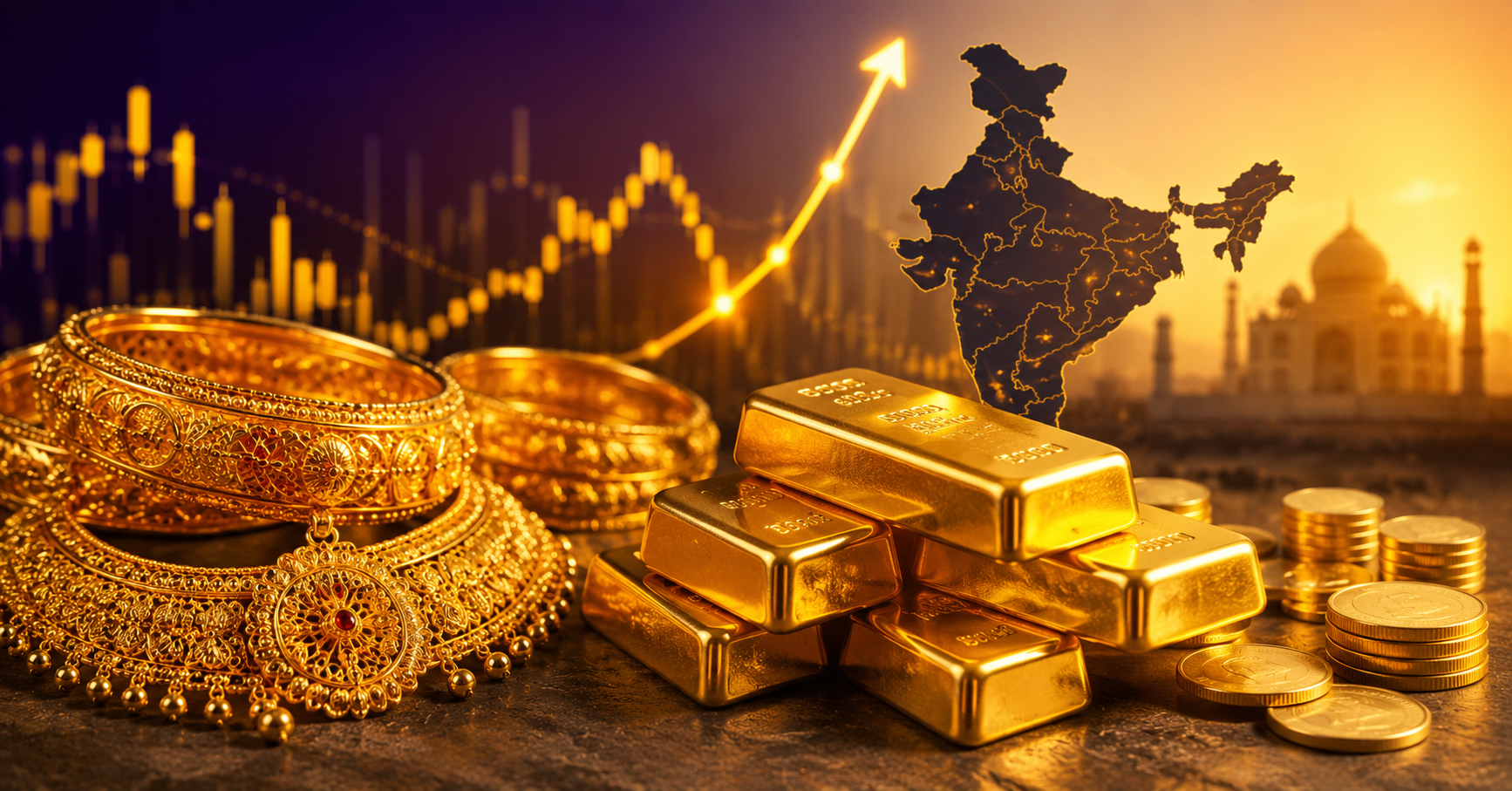
Gold is far more than a precious metal in India. It represents wealth, tradition, security, investment, status, and emotional value. From weddings and festivals to long-term financial planning, gold continues to play a central role in Indian households. This is why millions of people search for the gold rate today in India before buying jewelry, investing in gold ETFs, purchasing sovereign gold bonds, or simply tracking market movements.
In recent years, gold prices have experienced substantial volatility due to inflation concerns, geopolitical tensions, global economic uncertainty, central bank policies, fluctuating interest rates, and currency movements. As a result, investors, traders, jewelers, and ordinary consumers are closely monitoring live gold prices every single day.
India remains one of the world's largest consumers of gold. Whether demand comes from urban investors looking for portfolio diversification or rural households treating gold as a financial backup, the yellow metal continues to enjoy unmatched trust across economic classes.
This comprehensive guide explains:
- today's gold prices in India,
- how gold rates are determined,
- factors affecting gold prices,
- city-wise price differences,
- historical gold trends,
- investment options,
- future gold price predictions,
- expert buying tips,
- and whether gold remains a good investment in 2026.
Gold Rate Today in India
What Is the Gold Rate Today?
The gold rate today refers to the current market price of gold based on purity levels such as:
- 24 Karat (24K),
- 22 Karat (22K),
- 18 Karat (18K).
Gold prices are usually quoted:
- per gram,
- per 10 grams,
- or per ounce internationally.
In India, the most commonly tracked benchmark is the price of 10 grams of gold.
Latest Gold Prices by Purity
| Gold Type | Purity Level | Common Usage |
|---|---|---|
| 24K Gold | 99.9% Pure | Coins, bars, investments |
| 22K Gold | 91.6% Pure | Jewelry |
| 18K Gold | 75% Pure | Designer and diamond jewelry |
Difference Between 22K and 24K Gold
Many buyers confuse 22K and 24K gold while purchasing jewelry or making investments.
24K Gold
24K gold is the purest form of gold available commercially. It contains almost no other metal impurities and is widely used for:
- investment bars,
- gold coins,
- digital gold,
- ETFs.
However, 24K gold is soft and not ideal for making intricate jewelry.
22K Gold
22K gold contains a small percentage of metals like:
- copper,
- zinc,
- silver.
This makes it stronger and more durable for jewelry manufacturing. Most Indian jewelry is made using 22K gold.
How Gold Prices Are Determined in India
Gold prices in India are not random. Multiple domestic and international factors influence the daily gold rate.
International Gold Prices
India imports a major portion of its gold from global markets. Therefore, international bullion prices directly impact domestic gold prices.
Gold is traded internationally through:
- COMEX,
- London Bullion Market,
- international commodity exchanges.
When global gold prices increase, Indian gold rates usually rise as well.
USD to INR Exchange Rate
Gold is globally traded in US dollars. Therefore, the strength or weakness of the Indian Rupee significantly affects local gold prices.
Example:
- If the US dollar strengthens,
- or the Indian Rupee weakens,
then imported gold becomes more expensive in India. Even when international gold prices remain stable, Indian gold prices can increase due to currency depreciation.
Import Duty on Gold
The Indian government imposes customs duty and import taxes on gold imports. Gold prices increase whenever:
- import duties rise,
- taxes increase,
- government regulations tighten.
Import duty changes can immediately impact jewelry prices across the country.
GST on Gold
Gold purchases in India attract GST:
- 3% GST on gold value,
- additional GST on making charges.
This contributes to the final retail cost consumers pay.
Interest Rates and Inflation
Gold often performs strongly during:
- high inflation,
- low interest rates,
- economic uncertainty.
Why? Because investors shift toward gold when:
- currency purchasing power declines,
- stock markets become volatile,
- fixed-income returns weaken.
Geopolitical Tensions
Global instability often pushes investors toward safe-haven assets like gold. Gold prices typically rise during:
- wars,
- international conflicts,
- banking crises,
- recession fears,
- oil market instability.
This is one reason why gold is considered a "crisis asset."
Why Indians Invest Heavily in Gold
India's relationship with gold goes beyond investment logic.
Cultural Importance of Gold
Gold is deeply connected to:
- weddings,
- festivals,
- family wealth,
- traditions,
- inheritance.
Gold purchases increase significantly during:
- Diwali,
- Dhanteras,
- Akshaya Tritiya,
- wedding seasons.
Gold as Financial Security
In many households, gold acts as:
- emergency savings,
- collateral for loans,
- a hedge against uncertainty.
Unlike some financial assets, gold is universally accepted and highly liquid.
Protection Against Inflation
Over long periods, gold has historically preserved purchasing power better than many fiat currencies. This is why investors often buy gold during inflationary periods.
City-Wise Gold Rates in India
Gold rates vary slightly across Indian cities.
Major Cities Where Gold Prices Are Tracked
- Delhi
- Mumbai
- Chennai
- Kolkata
- Bangalore
- Hyderabad
- Pune
- Ahmedabad
- Jaipur
- Lucknow
Why Gold Prices Differ Across Cities
Price differences occur due to:
- transportation costs,
- local demand,
- jeweler associations,
- logistics expenses,
- state-level operational costs.
For example:
- Chennai often experiences strong demand for gold jewelry.
- Mumbai acts as a major bullion trading center.
- Delhi prices may fluctuate due to distribution costs.
Historical Gold Price Trends in India
Gold's Long-Term Growth Story
Over the past few decades, gold prices in India have shown remarkable long-term appreciation. Key drivers include:
- inflation,
- economic growth,
- currency depreciation,
- rising investment demand,
- increasing global uncertainty.
Gold has transformed from a traditional savings asset to a modern portfolio diversification tool.
How Gold Performed During Major Economic Events
During Financial Crises
Gold prices often rise when stock markets crash.
During Inflation Surges
Investors move toward gold to preserve wealth.
During Currency Weakness
Gold becomes more valuable in local currency terms.
Gold vs Inflation Over Time
Historically, gold has managed to:
- preserve purchasing power,
- protect long-term savings,
- act as an inflation hedge.
Although short-term fluctuations occur, long-term gold investors often view it as a stability asset.
Different Ways to Invest in Gold in India
Modern investors now have multiple gold investment options.
1. Physical Gold
Includes:
- jewelry,
- coins,
- bars.
Advantages
- Tangible ownership
- Cultural value
- Easily transferable
Disadvantages
- Storage concerns
- Making charges
- Purity verification issues
2. Digital Gold
Digital gold allows users to buy fractional quantities online.
Benefits
- Easy access
- Small investment amounts
- No physical storage
Risks
- Platform dependency
- Regulatory considerations
3. Gold ETFs
Gold ETFs are traded on stock exchanges and track gold prices.
Advantages
- High liquidity
- Transparent pricing
- No storage concerns
4. Sovereign Gold Bonds (SGBs)
Issued by the Government of India, SGBs are considered one of the best alternatives to physical gold. If you prefer redeeming rewards instead of buying outright, you can also explore redemption options on PocketsFull to convert your earnings into bullion-equivalent value.
Benefits
- Annual interest income
- Government backing
- Potential tax benefits
- No storage issues
5. Gold Mutual Funds
These funds invest in:
- gold ETFs,
- gold-related assets.
Suitable for investors preferring SIP-based investing.
Is Gold a Good Investment in 2026?
Why Investors Still Prefer Gold
Gold remains attractive because it:
- diversifies portfolios,
- reduces volatility,
- acts as a hedge,
- provides liquidity.
Advantages of Investing in Gold
Portfolio Diversification
Gold often performs differently from equities.
Wealth Preservation
Gold has maintained value across generations.
Liquidity
Gold can be quickly sold almost anywhere.
Disadvantages of Gold Investment
No Passive Income
Gold does not generate dividends or interest (except SGBs).
Short-Term Volatility
Prices can fluctuate sharply.
Making Charges
Jewelry investments may involve high making costs.
Expert Gold Price Predictions for 2026
Factors Supporting Higher Gold Prices
Analysts believe gold may continue receiving support from:
- inflation concerns,
- geopolitical instability,
- central bank gold buying,
- economic slowdown fears,
- currency volatility.
What Could Push Gold Prices Lower?
Gold may face downward pressure if:
- interest rates rise aggressively,
- inflation cools rapidly,
- stock markets rally strongly,
- the US dollar strengthens substantially.
Will Gold Reach New Highs?
Some analysts believe gold could continue reaching new highs if:
- recession fears increase,
- geopolitical tensions persist,
- central banks maintain accommodative policies.
However, gold prices remain highly sensitive to global economic developments.
Best Time to Buy Gold in India
During Price Corrections
Many investors prefer buying during:
- temporary price dips,
- market corrections,
- periods of reduced demand.
Before Festive Seasons
Jewelry demand typically rises before:
- Diwali,
- Dhanteras,
- wedding seasons.
Buying earlier may help avoid seasonal price spikes.
Through Systematic Investment
Instead of timing the market perfectly, many investors gradually accumulate gold over time. This strategy reduces the impact of volatility.
Tips Before Buying Gold Jewelry
Check BIS Hallmark
Always verify:
- BIS hallmark certification,
- purity stamp,
- jeweler authenticity.
Compare Making Charges
Making charges can vary significantly between jewelers. Always compare:
- making fees,
- wastage charges,
- GST impact.
Ask for Proper Invoice
A valid invoice helps during:
- resale,
- exchange,
- insurance claims.
Gold vs Other Investment Options
| Investment | Risk | Returns Potential | Liquidity |
|---|---|---|---|
| Gold | Moderate | Stable | High |
| Stocks | High | High | High |
| Real Estate | Moderate | Long-Term | Low |
| Fixed Deposits | Low | Moderate | Medium |
| Mutual Funds | Moderate | High | High |
How to Track Live Gold Prices
You can monitor live gold prices through:
- bullion associations,
- commodity exchanges,
- financial news portals,
- investment apps,
- jewelry retailer websites.
Many investors also use:
- price alerts,
- gold tracking apps,
- market analysis platforms.
Common Mistakes Gold Buyers Make
Buying Without Checking Purity
Never purchase gold without hallmark verification.
Ignoring Making Charges
Low gold prices may still result in expensive purchases due to excessive making charges.
Buying Purely Due to Hype
Gold investments should align with:
- financial goals,
- risk tolerance,
- investment horizon.
Frequently Asked Questions (FAQs)
What is the gold rate today in India?
Gold rates change daily based on international prices, taxes, import duties, and currency movements. Refer to a verified bullion source or trusted financial portal for the live, real-time rate per gram or per 10 grams.
Why is gold expensive in India?
India imports most of its gold, making prices sensitive to global rates, currency fluctuations between the US Dollar and Indian Rupee, customs duty, and GST applied on both gold value and making charges.
Which gold is best for jewelry?
22K gold is commonly preferred for jewelry in India because it balances purity (91.6%) and durability. 24K gold is purer but too soft for intricate jewelry, making it better suited for coins, bars, and investment purposes.
Is digital gold better than physical gold?
Digital gold offers convenience, fractional ownership, and no storage worries, while physical gold provides tangible ownership and cultural value. The best option depends on your investment goals, time horizon, and risk preference.
Can gold prices fall?
Yes. Gold prices can decline when interest rates rise aggressively, inflation cools quickly, equity markets rally strongly, or the US Dollar strengthens substantially against the Indian Rupee.
Should I invest in gold in 2026?
Gold may continue serving as a diversification and wealth-preservation asset in 2026, supported by inflation concerns and geopolitical uncertainty. However, the right allocation depends on your personal financial goals, time horizon, and overall portfolio mix. Consider consulting a qualified financial advisor before making investment decisions.
Conclusion
Gold continues to remain one of the most trusted and widely followed assets in India. Whether purchased for cultural reasons, financial security, portfolio diversification, or long-term wealth preservation, gold remains deeply embedded in the Indian economy and household mindset.
As inflation, geopolitical uncertainty, currency volatility, and global economic shifts continue influencing markets, monitoring the gold rate today becomes increasingly important for investors and consumers alike.
Understanding:
- how gold prices are determined,
- when to buy,
- what type of gold to choose,
- and how different investment options work
can help individuals make smarter and more informed financial decisions.
While short-term fluctuations are inevitable, gold continues to hold its position as a strategic long-term asset for millions of Indians. And if you'd prefer building toward gold through earned rewards rather than upfront purchases, you can browse PocketsFull's gift-card redemption options and start small.